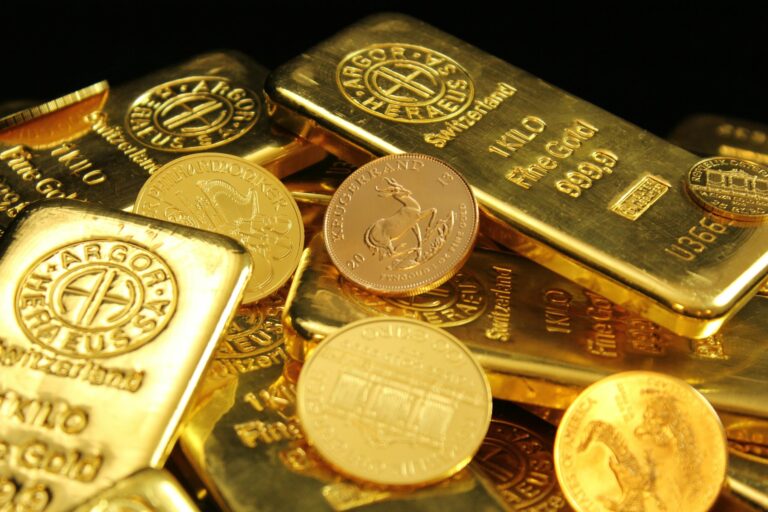
Gold Trends to Watch in 2026: What Sellers in Canada Should Know

Gold has always been influenced by long-term market cycles, currency fluctuations, and global uncertainty. As we move through 2026, several economic factors are shaping expectations for gold prices in Canada. While no one can predict the exact price of gold at any given moment, understanding the broader trends can help you decide when selling might make sense.
What’s Driving Gold Sentiment in 2026
Gold’s market strength in recent years has been tied to persistent inflation concerns, slower interest rate adjustments, and continued geopolitical tensions. Entering 2026, many of these conditions remain in place, supporting steady demand for gold as a traditional safe-haven asset.
Key drivers this year include:
- ongoing inflation pressure in major economies
- expected interest rate shifts by the U.S. Federal Reserve and Bank of Canada
- investors hedging against global uncertainty
- continued demand from central banks and institutional buyers
While these factors do not guarantee higher prices, they contribute to an environment where gold remains attractive to investors and consumers alike.
Why Canadian Sellers Should Track Prices in CAD
Even if global gold prices appear stable, Canadian dollar (CAD) fluctuations can impact how much sellers receive locally. A weakening CAD often results in higher gold prices in Canada, even when international spot prices remain unchanged.
Before deciding to sell, stay up to date with real-time spot prices and market trends — this helps ground your expectations and gives you a reference point for appraisals.
Gold vs Silver vs Platinum in 2026
While gold continues to dominate the market, silver and platinum can influence broader precious metal sentiment. Industrial demand remains a major factor for silver and platinum, and changes in manufacturing, automotive production, and renewable energy investment may indirectly affect how gold trades.
Keeping an eye on all three metals provides sellers with a more complete picture of the market, especially for jewelry pieces that may contain multiple precious metals.
Should You Wait or Sell Now?
Selling gold is less about finding a perfect market peak and more about making an informed decision based on your needs and current pricing. In 2026, gold continues to show resilience compared to other assets, which means sellers can often achieve strong value without waiting for large price swings.
If you’re holding onto gold items you no longer use, or you’re interested in converting value into cash during a relatively stable market period, selling now may be worthwhile — especially if spot prices in CAD align with your goals.
For clarity on how payouts are determined locally, reviewing how the selling process works can help you prepare.
Final Thoughts
Gold’s long-term reputation as a store of value continues into 2026, supported by steady investor interest and global market uncertainty. While predicting day-to-day price movement is impossible, keeping an eye on spot prices in CAD, tracking economic trends, and understanding how appraisals work gives you the confidence to decide when selling is right for you.
If you’d like to explore your options or have your items evaluated based on current Canadian market pricing, reaching out to a reputable local buyer is a smart first step.